02 / Model / 02
A team is not built
only on the pitch.
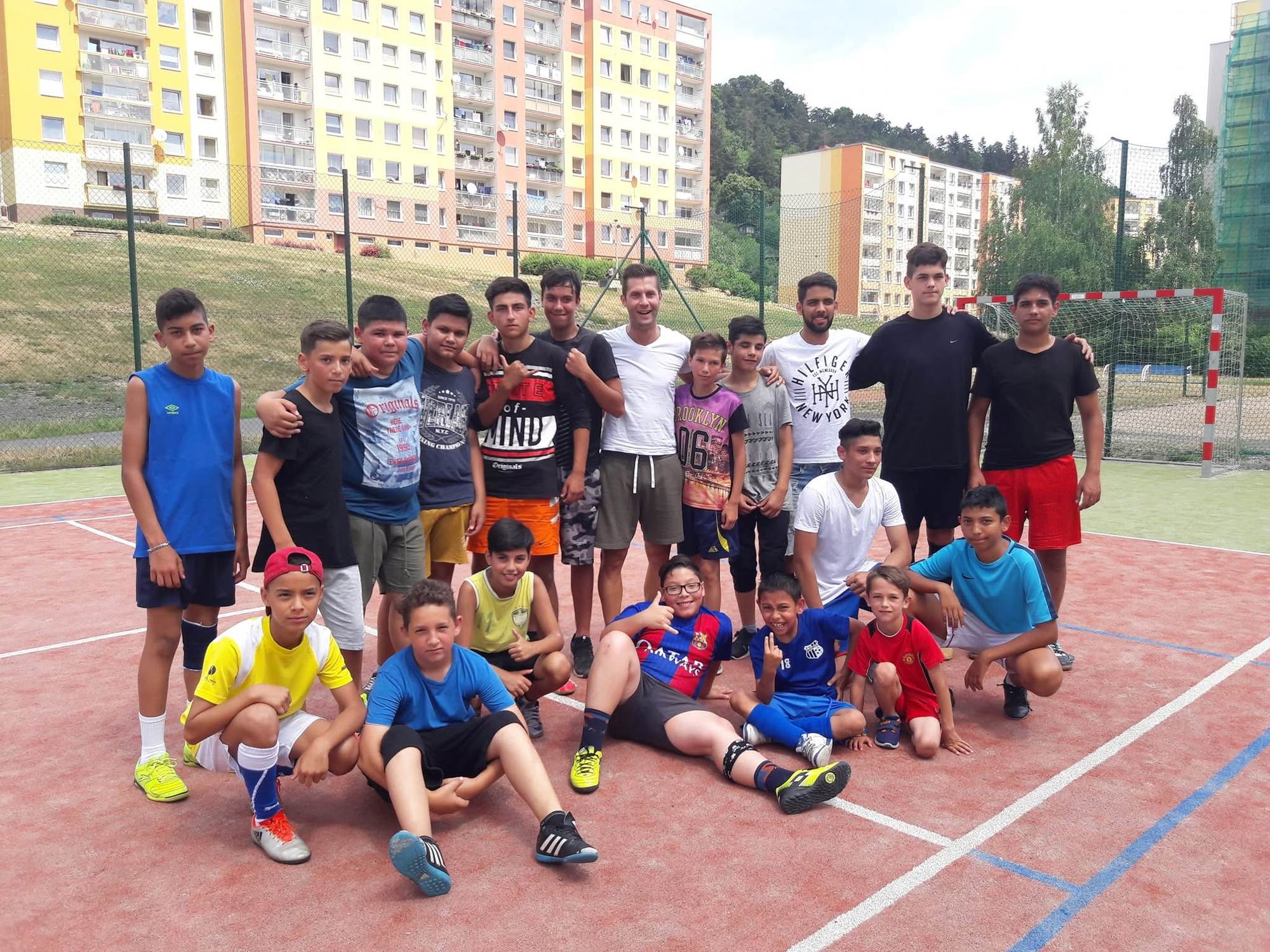
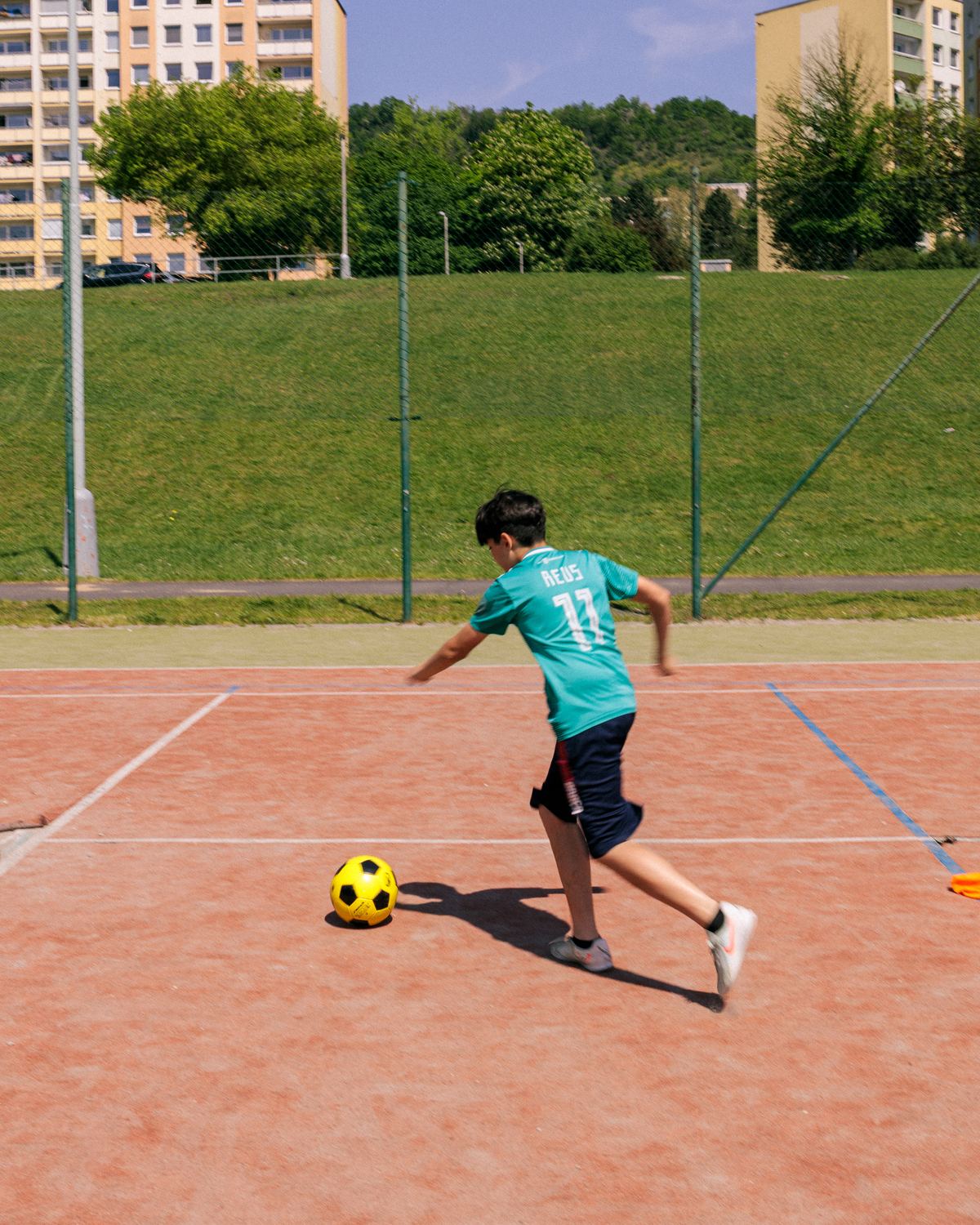
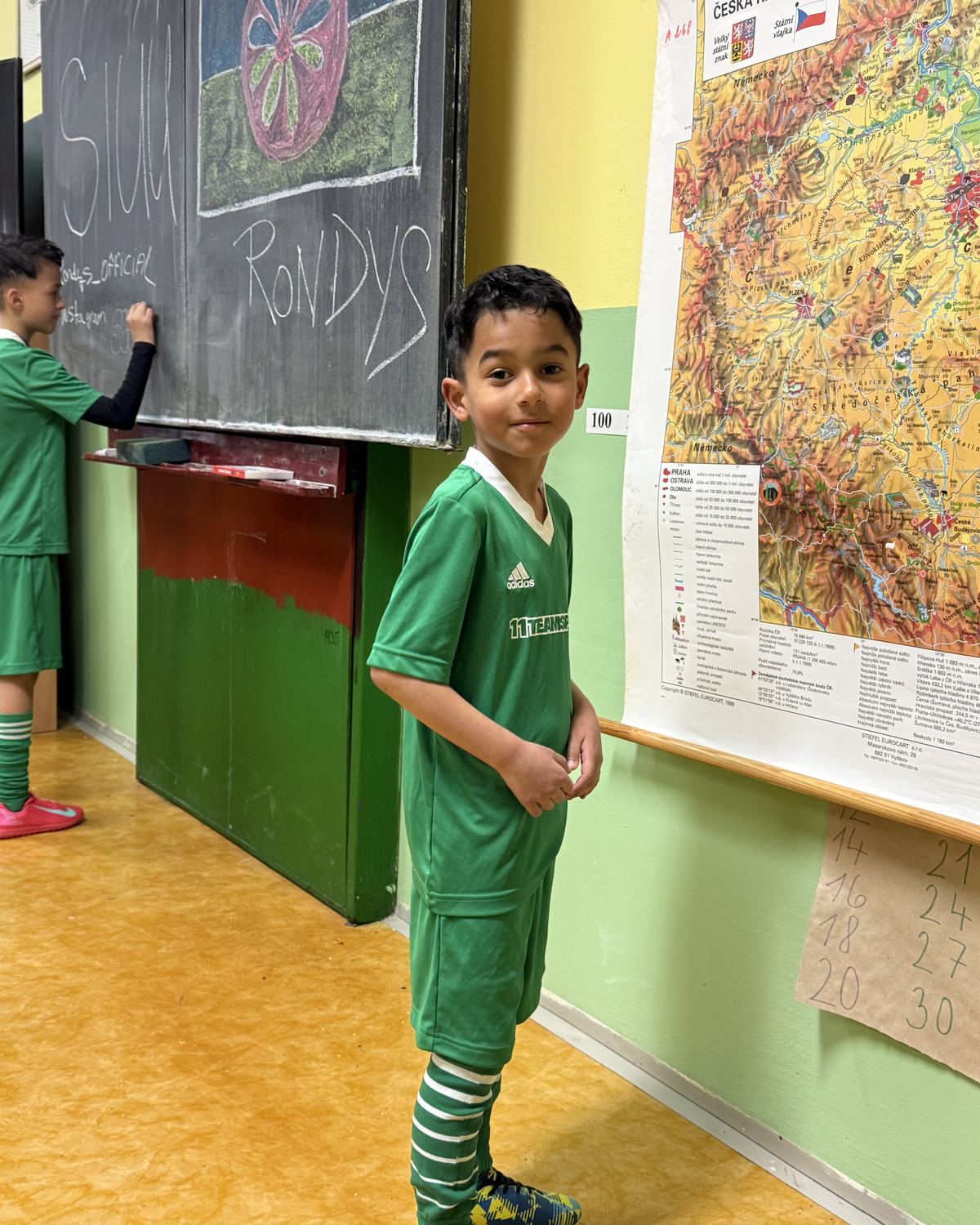
A neighbourhood grows around the training — parents, coaches, older players. That is what keeps a child in sport even on the days they do not feel like it.
01Why community
There are plenty of sports programmes for disadvantaged children. Most of them end the moment the grant runs out and the people leave. What remains is a pitch and nobody to stand on it.
Mongaguá is different in one thing: every location is led by someone who lives there or comes there every day. They did not arrive for a project. They are from there.
That is why the model can be replicated — and why it does not disappear when the funding ends.
02What happens around the training
Six things that hold
a team together
This is the part nobody sees from the outside, and it decides whether a child stays with the sport for a year or for three weeks.
01
A coach from the neighbourhood
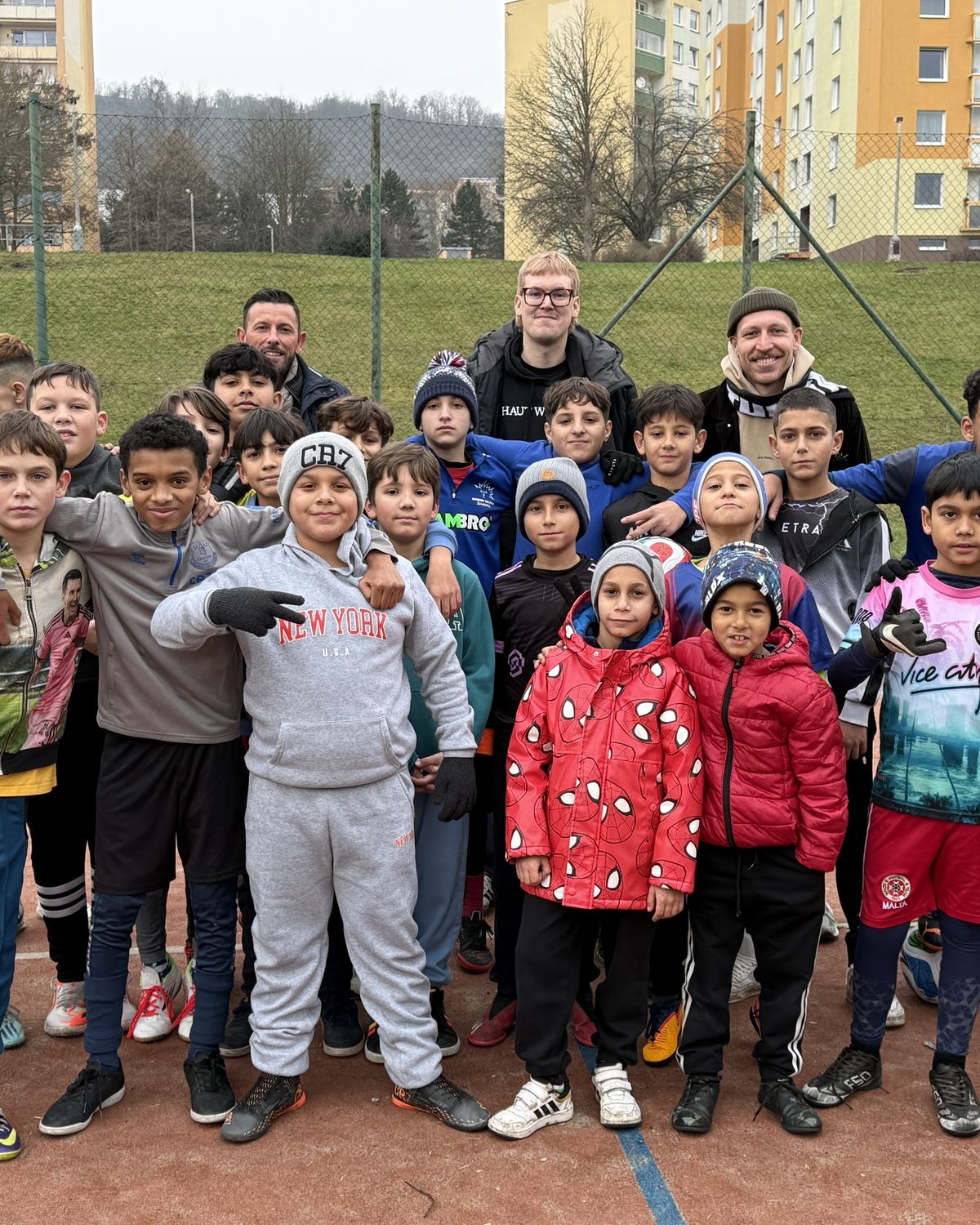
Not an external instructor on a contract. A neighbour the children know and meet outside training too. Often the first adult outside the family they trust.
02
Parents at the edge of the pitch
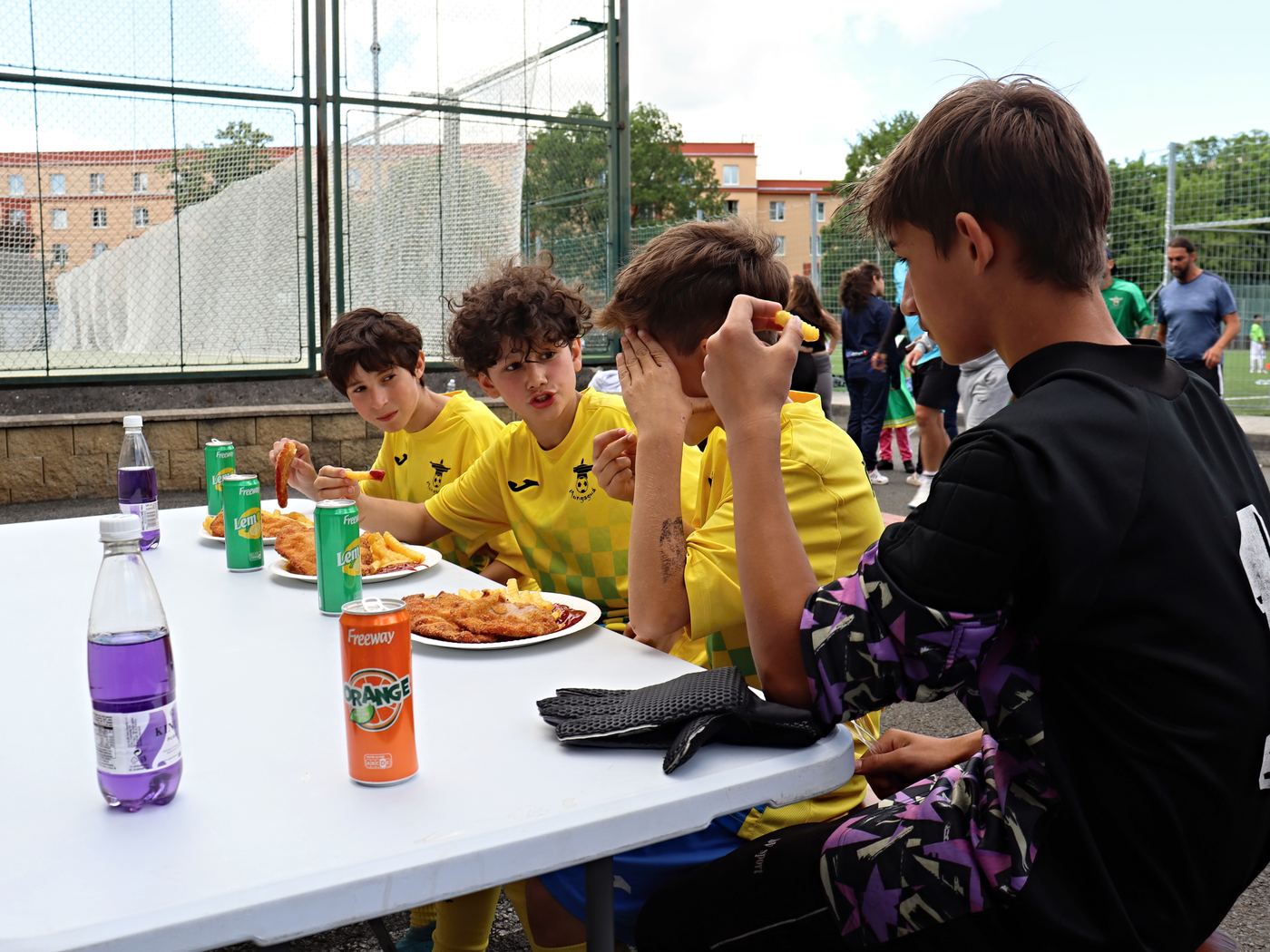
People who until then only passed each other in the lift meet around the training. A neighbourhood grows where there used to be only an address.
03
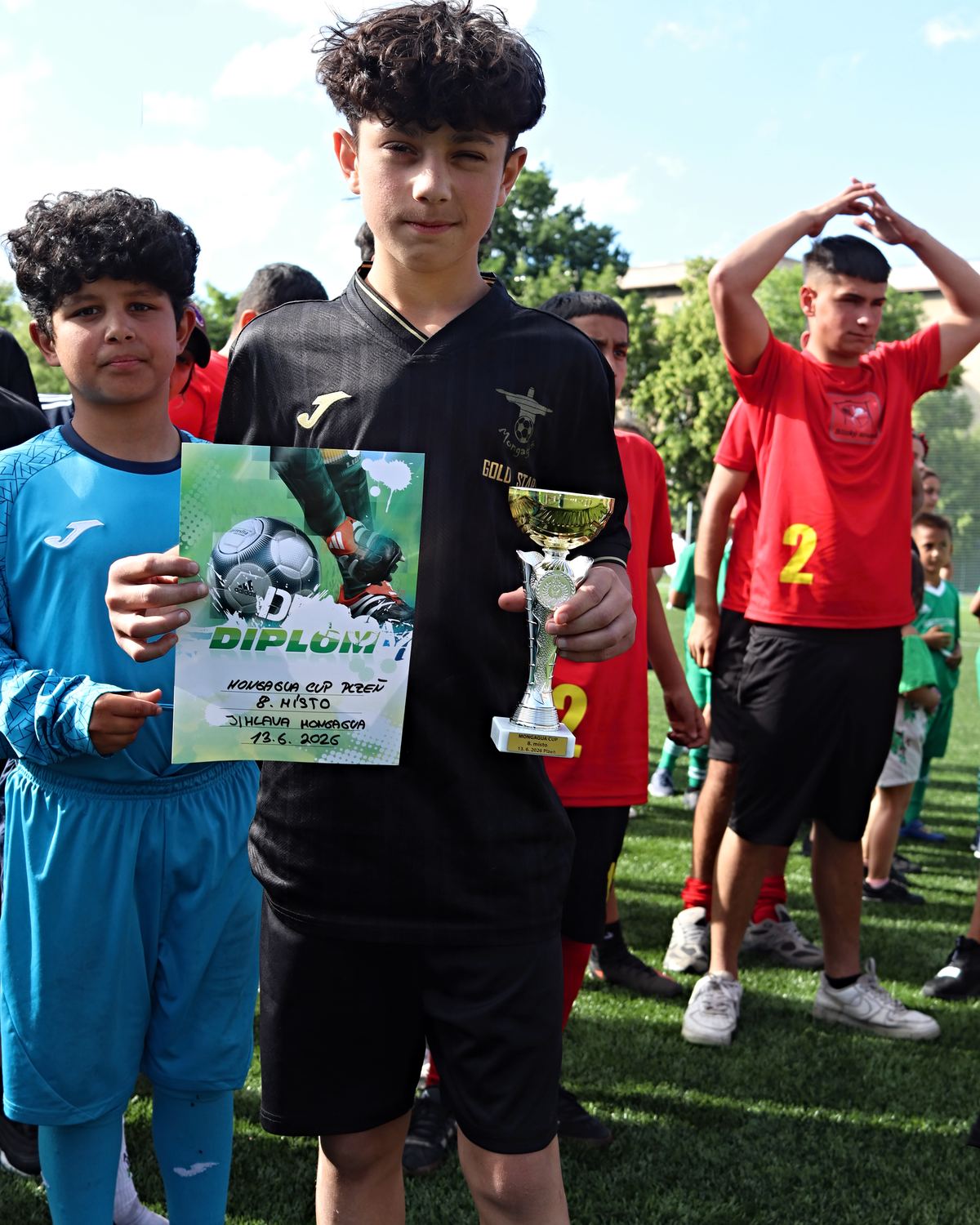
Older players pull the younger ones
Whoever grows up in the team usually stays — as an assistant coach or simply as someone who turns up and plays with the smaller ones.
04
Responsibility in small doses
Turn up on time, bring your kit, wait for the younger one, clean up after yourself. Small commitments that add up to something bigger.
05
A network across towns
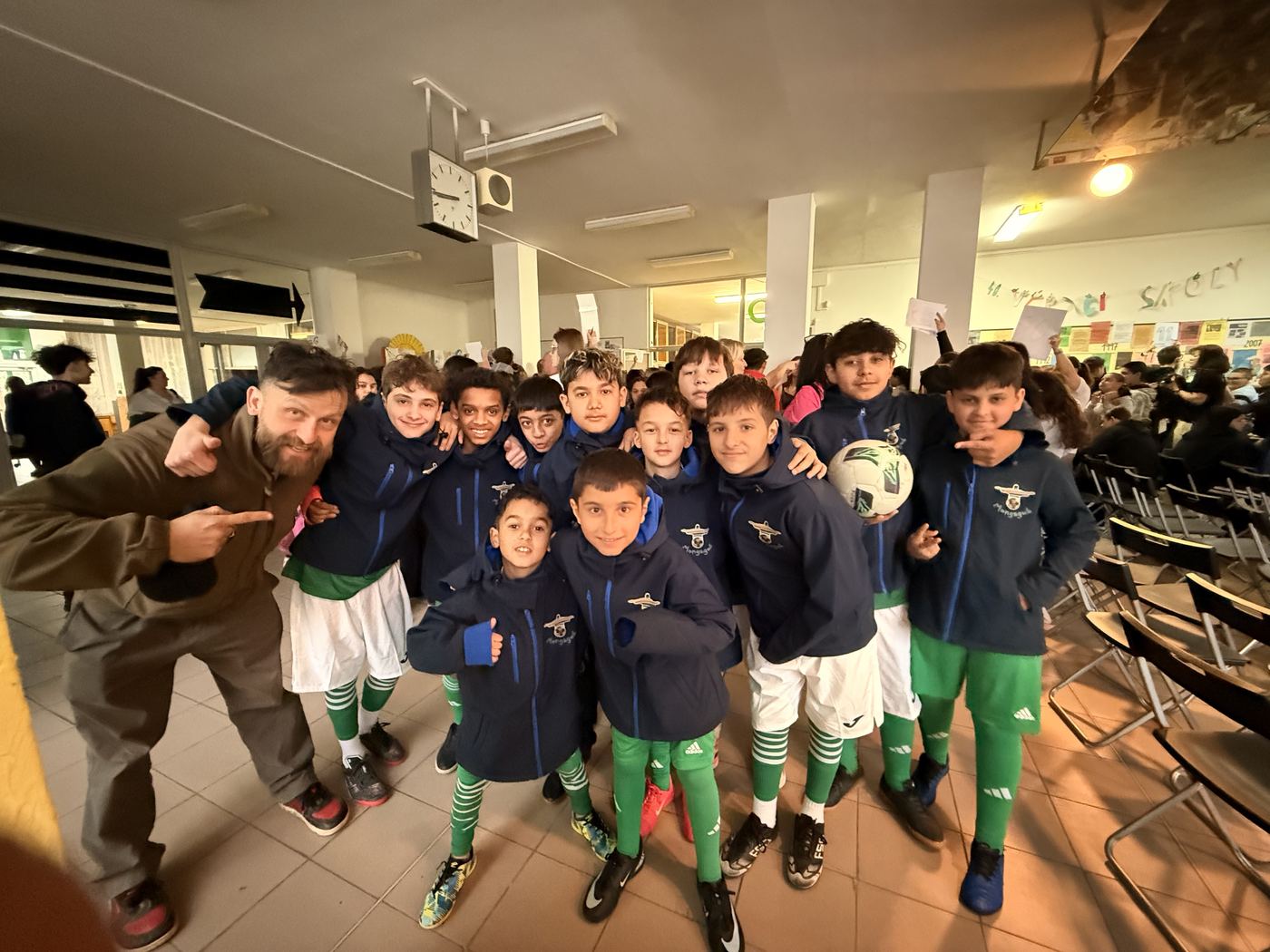
Eighteen teams are not eighteen separate clubs. They meet at tournaments and have travelled abroad together.
06
No stigma
Nobody here is “a child from an excluded neighbourhood”. They are a player with a good left foot, or without one. That difference is fundamental.
18
teams connected into one network
5
location leaders with a traceable contact
2015
the year the first team started
1
joint trip abroad for all branches
The remaining contacts for location leaders are being added — see the Contact page.
03How a new location starts
We do not open branches.
We help people start.
Mongaguá does not spread from the top down. Almost always someone who is already doing something in the location gets in touch and wants the backing and a name they can stand behind.
- someone local gets in touch — a coach, a parent, a low-threshold worker
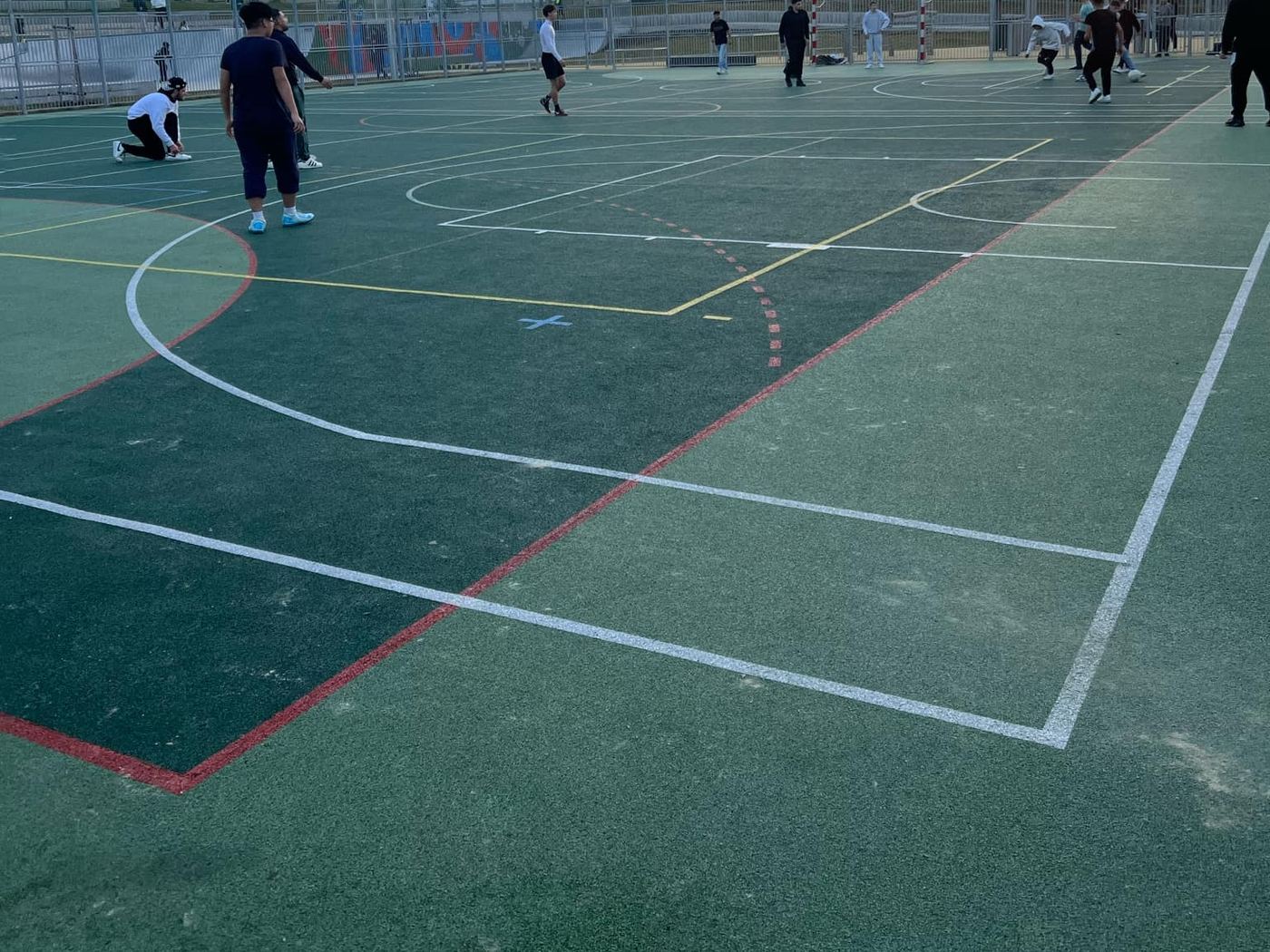
- we agree on a surface that can be used for regular training
- the first jerseys and balls come from the network, not from a purchase
- the new location runs its first season under the wing of the founding team
- the first tournament with the other teams usually decides whether it will hold
- paperwork and grants are handled centrally so the coach can coach
04Frequently asked
What people ask most often
Always someone local. Not an external instructor on a contract, but a neighbour the children meet outside training too.
At tournaments and joint events. That is what turns eighteen separate teams into one network — and for the children it is often the first trip outside their own neighbourhood.
Gradually and in different ways. In some places they just stand at the edge of the pitch, elsewhere they drive children to tournaments or help maintain the surface. We require none of it, but all of it helps.
That is the most vulnerable point of the whole model. That is why we try to have at least two people in every location and to have older players gradually take over the younger groups.
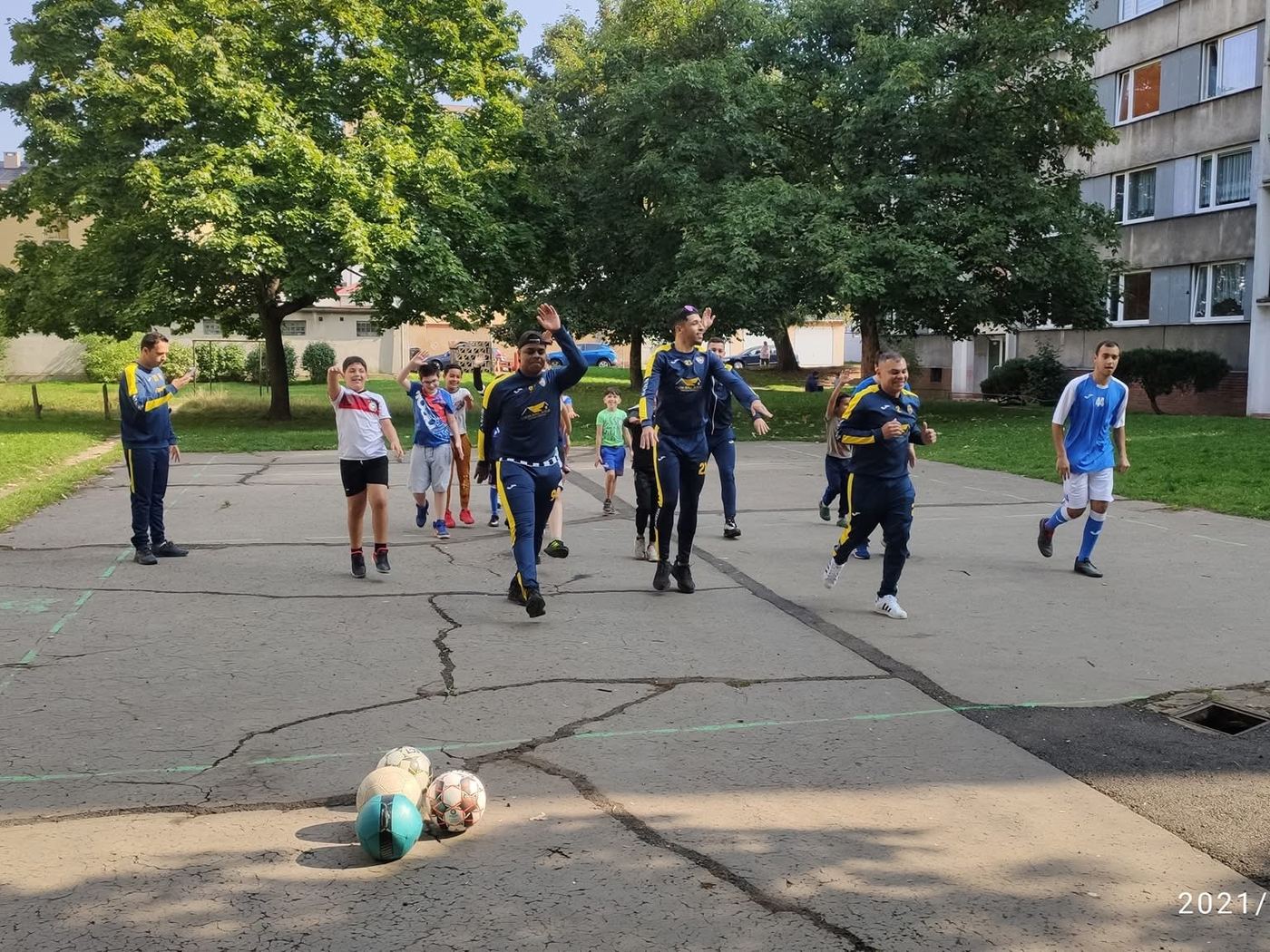
„It came out of watching the boys play outside. They had nowhere to play, really. And no direction. That is what I wanted to give them too.“
A community cannot be bought. But it can be supported.
Involving employees, a joint sports day, repairing a pitch. Things where you can see who did them.